
The Best Time to Visit Uganda for Gorillas and Wildlife (Month by Month)
"When's the best time to go?" is one of the first questions we hear from travelers planning a trip to Uganda. The good news: there's no bad time. Uganda sits right on the equator, so it's warm all year, and the gorillas don't migrate. They're in the forest every single month.
The short answer: June to September and December to February are the dry seasons, and they're the most popular times to go. But the rainier months have perks of their own, like greener scenery and fewer crowds. Here's what to expect so you can pick what's right for you.
Uganda's two seasons
Dry season (June to September and December to February). Trails are less muddy, roads are easier and the grass is shorter, so animals are easier to spot on game drives. These are also the busiest months, so gorilla permits and the best lodges book up fast.
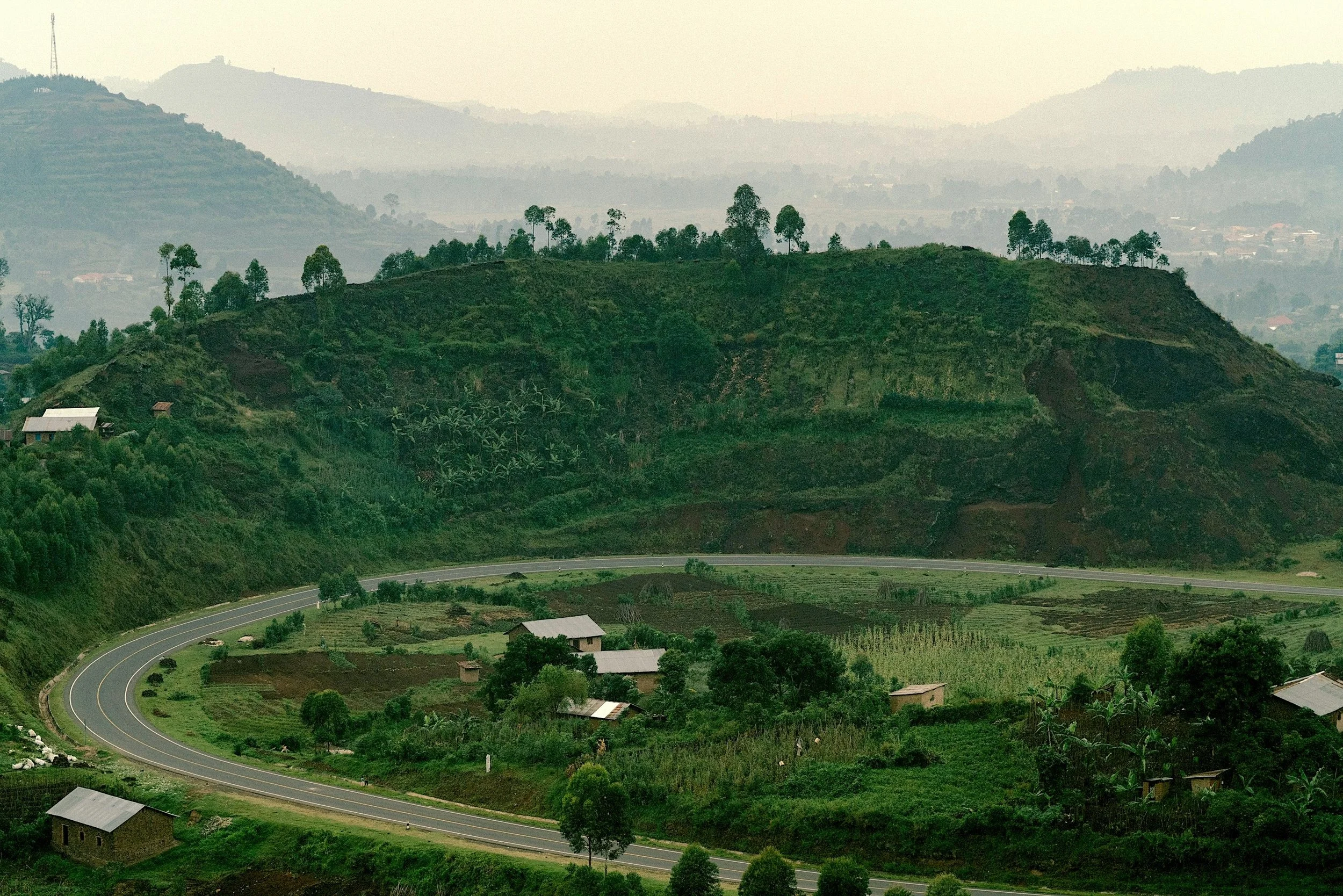
Green season (March to May and October to November). This is when most of the rain falls. The landscape turns lush and bright green, parks are quieter, and you'll often find better availability. Uganda sometimes offers discounted gorilla permits during the rainiest months, too.
What rain really means. Rain in Uganda usually comes in heavy bursts, not all-day drizzle, and the sun often comes out afterward. Keep in mind that, specifically for gorilla trekking excursions, Bwindi is a rainforest, so it can rain there any time of year. Pack a rain jacket no matter when you go.
Month by month
January and February: Dry, sunny and one of the best times to go. Great for gorillas, chimps and game drives. Migratory birds are still around.
March: The rains start to build. Still a good month to travel, with fewer people.
April and May: The wettest months. Trails are muddier, but the forest is at its greenest and you'll share it with far fewer travelers.
June: The dry season begins. Trails dry out and wildlife viewing gets better and better.
July and August: Peak season. Great weather and wildlife, and the most visitors. Book early.
September: Still mostly dry, with great wildlife viewing and a little less of a crowd than summer.
October: Short rains start to arrive. A good-value month, with green scenery and quieter parks.
November: Rainy, lush and quiet. A great pick if you'd like the forest mostly to yourself.
December: The dry season returns. A popular time for holiday trips, so plan ahead.
The best time for each experience
Gorilla trekking: Any month. The dry season makes the hike easier, but many travelers love the green season.
Chimpanzee trekking in Kibale: Any month. Though the chimps are easier to follow when the trails are dry.
Game drives in Murchison Falls and Queen Elizabeth: Best in the dry season, when the grass is short and animals gather near water.
Birding: Great all year, and even better from November to April, when migratory birds arrive.
So, when should you go?
If you want the easiest trails and the best game drives, go in the dry season, and book early. If you'd rather have quieter parks, greener views and better availability, the green season is a great choice.
Either way, you'll see the gorillas. The best time to visit Uganda is the time that works for you.
